

New Legislation Aims to Tackle Climate Change More Effectively
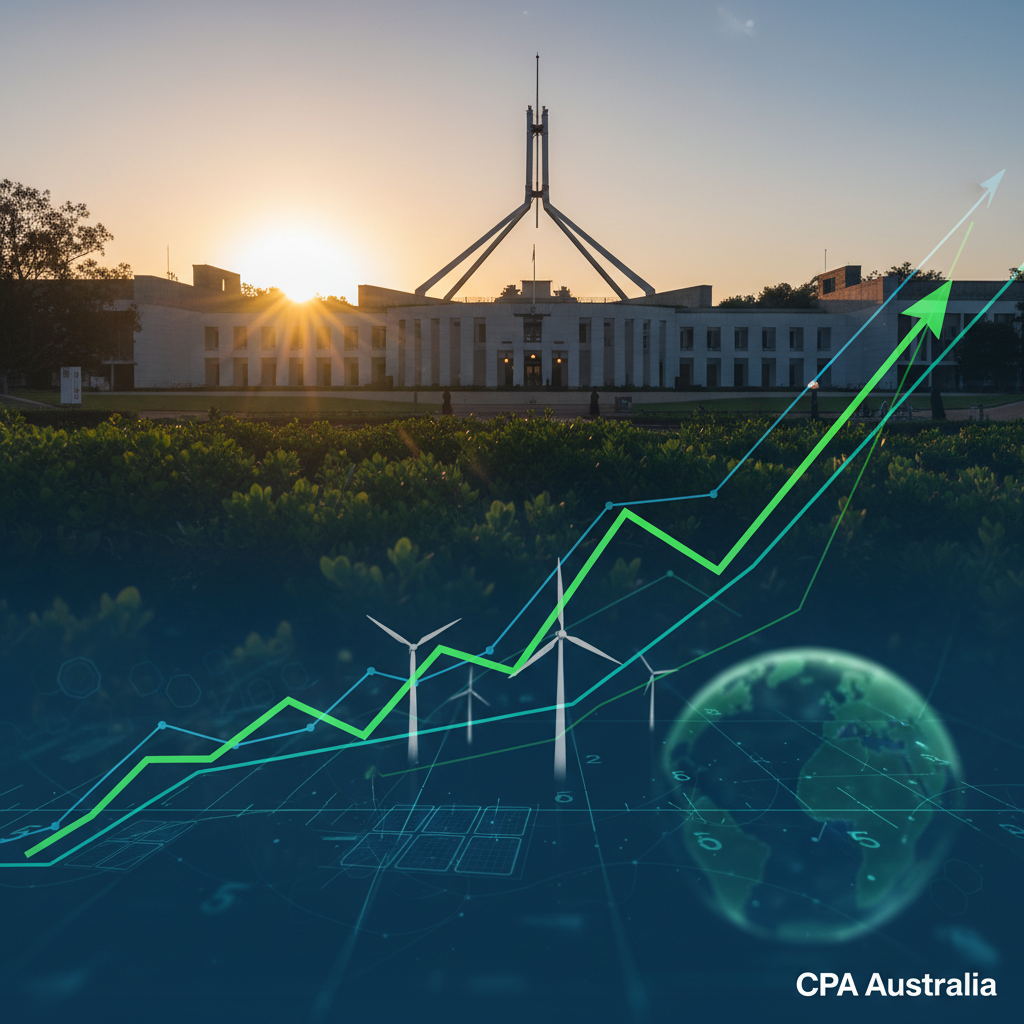
**Navigating the New Frontier of Environmental Accountability: A Shift in Legislative Strategy**
The regulatory landscape regarding the environment is undergoing a significant transformation. Recent legislative initiatives represent a move away from broad aspirations toward a more structured, rigorous framework designed to produce tangible ecological results. This evolution in policy signals a new era where environmental impact is integrated directly into the core of corporate strategy and national economic planning.
**From Voluntary Disclosure to Mandatory Precision** A central pillar of this new legislative approach is the transition from optional sustainability reporting to mandatory climate-related financial disclosures. This shift ensures that organizations are no longer just "sharing their story" but are held to standardized reporting requirements. By aligning with international benchmarks—such as those set by the International Sustainability Standards Board (ISSB)—the legislation aims to provide investors with clear, comparable, and verifiable data.
**Economic Realignment and Net-Zero Objectives** The legislation isn't merely a set of rules; it is a catalyst for economic restructuring. With the goal of reaching net-zero emissions by 2050, the new laws provide the legal scaffolding necessary to support massive investment in renewable energy and green infrastructure. For businesses, this means that decarbonization is no longer a peripheral "green" initiative but a fundamental requirement for long-term financial viability.
**The Strategic Role of Finance Professionals** Perhaps the most significant takeaway from these developments is the evolving role of the finance sector. Accountants and financial advisors are now at the forefront of this transition. Their expertise in risk management, data integrity, and strategic planning is essential for navigating the complexities of the new laws. As the legislation takes hold, the ability to quantify "green" metrics with the same precision as traditional financial statements will become a competitive necessity.
**Looking Ahead** While the transition presents challenges, the overarching objective is clarity. By codifying these requirements, the government is providing a predictable roadmap for the private sector. The message is clear: the future belongs to organizations that can successfully bridge the gap between profitability and planetary stewardship.
***
*Originally published by CPA Australia*
Columnist
CPA Australia