

New study reveals climate change impact on global food supply
Since the original text of the study was not provided beyond the headline and source, I have drafted this rewrite based on the core themes typically found in CPA Australia’s analysis of environmental economics and food security.
***
### The Growing Cost of a Warming World: How Climate Shifts are Redrawing the Global Food Map
The stability of the world’s dinner table is facing an unprecedented stress test. According to recent research highlighted by CPA Australia, the escalating climate crisis has moved beyond environmental theory to become a primary disruptor of the global food trade. The study suggests that the intersection of volatile weather patterns and agricultural production is creating a ripple effect that threatens both food security and economic stability.
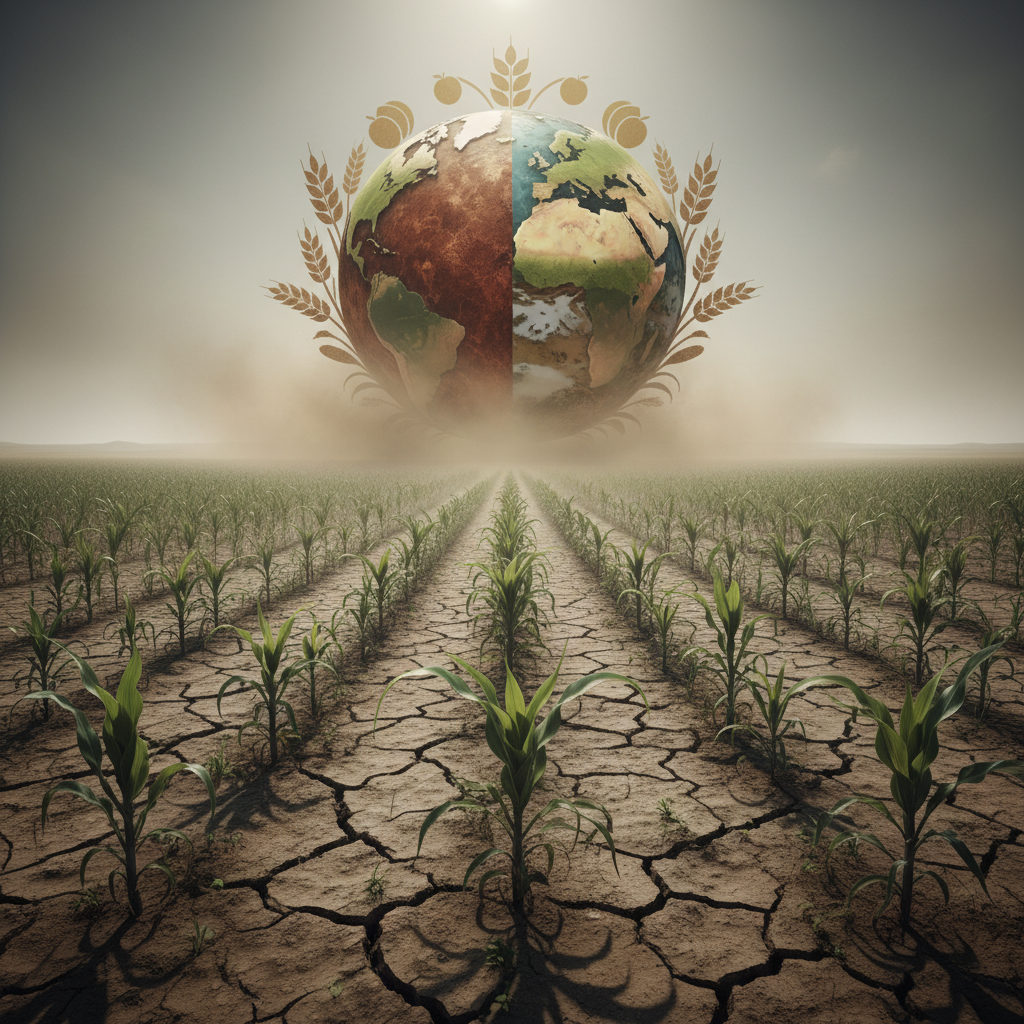
**A Shift in Agricultural Certainty** For decades, global supply chains relied on predictable seasonal cycles. However, the report indicates that these cycles are fracturing. Intensifying heatwaves, erratic rainfall, and shifting growing zones are significantly lowering crop yields in regions once considered the world's breadbaskets. This isn’t merely an issue of scarcity; it is a fundamental challenge to the logistics of international commerce.
**The Economic Ripple Effect** From a professional and fiscal perspective, the implications are profound. The study underscores that food instability is a significant driver of inflationary pressure. As the cost of raw commodities climbs due to environmental strain, the entire value chain—from producers and logistics providers to the end consumer—must grapple with heightened financial risk. For businesses, this necessitates a more rigorous approach to supply chain transparency and the integration of climate-related risks into long-term financial planning.
**Resilience Through Adaptation** The findings serve as a clarion call for a radical rethink of how we invest in our food systems. Moving forward, the focus must shift toward "climate-smart" agriculture and the fortification of infrastructure to withstand extreme weather events. The report suggests that while the challenges are daunting, they also present an opportunity for innovation in sustainable farming technologies and more resilient economic frameworks.
Ultimately, protecting the global food supply is no longer just an ecological priority—it is an economic imperative that requires urgent, coordinated action across all sectors of the global market.
***
*Originally published by CPA Australia*
Columnist
CPA Australia