

Major City Implements New Policy to Tackle Air Pollution
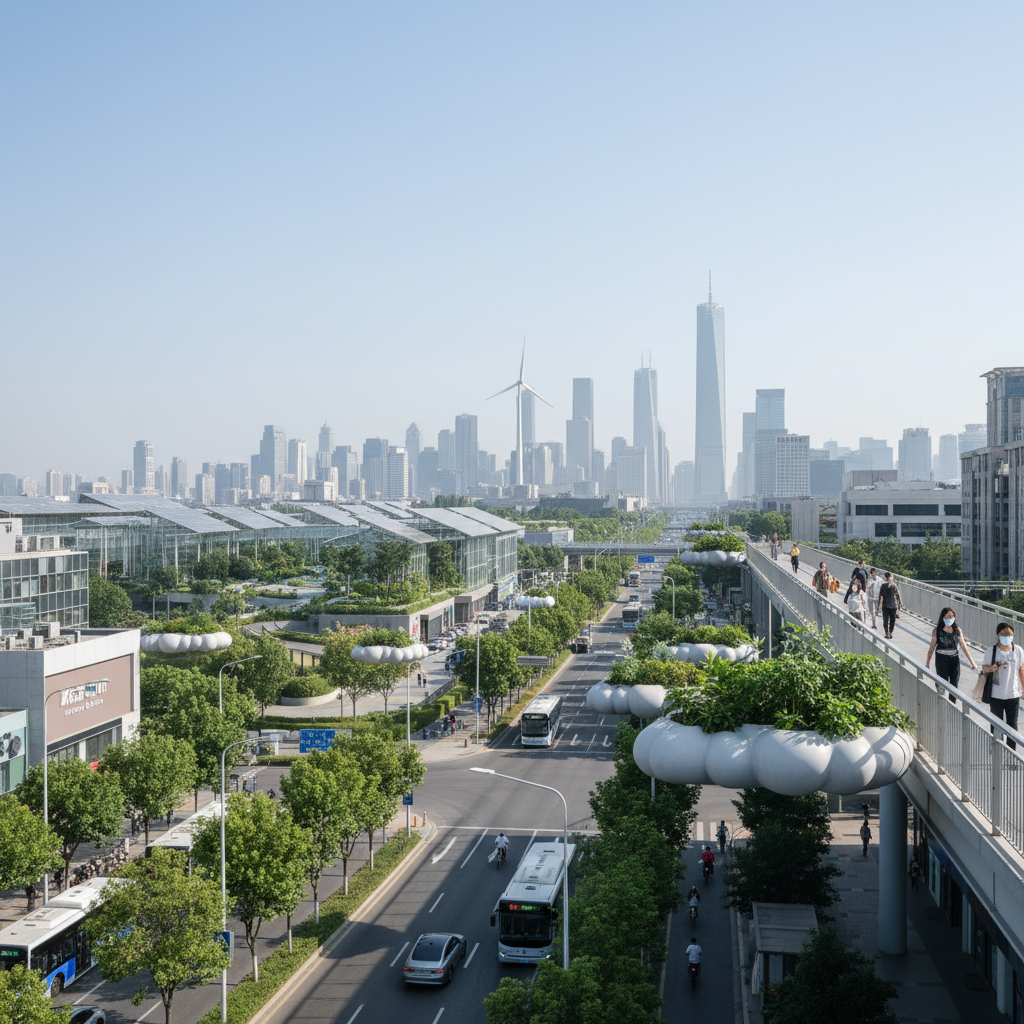
**Clearing the Canopy: A New Strategic Framework for Urban Air Quality**
In a decisive move to reconcile urban industrial growth with environmental stewardship, a major metropolitan center has unveiled a comprehensive policy framework aimed at drastically reducing atmospheric pollutants. This initiative represents a significant pivot in municipal governance, prioritizing long-term public health and ecological resilience as core components of the city’s economic blueprint.
The newly introduced measures focus on a multi-pronged approach to carbon mitigation. Key highlights of the plan include tightening emissions standards for local industry, incentivizing the transition to electric municipal fleets, and expanding "green zones" where high-emission vehicles are restricted during peak hours. By integrating these regulatory shifts, the city aims not only to meet international air quality benchmarks but also to foster an environment conducive to sustainable investment and a higher quality of life for its residents.
Financial analysts note that such policies often serve as a catalyst for innovation within the private sector. As the city mandates cleaner operations, there is an expected surge in the development of green technologies and infrastructure. For stakeholders and financial advisers, this transition signals a shift in risk assessment, where environmental compliance and ESG (Environmental, Social, and Governance) performance become increasingly tied to a firm’s valuation and market stability.
While the transition may require significant initial capital and logistical adjustments, the overarching message from policymakers is clear: breathable air is an essential utility, and safeguarding it is a non-negotiable prerequisite for a thriving, modern economy.
***
*Originally published by Stockbrokers & Financial Advisers Association*
Columnist
Stockbrokers & Financial Advisers Association