

New Study Reveals the Impact of Urbanization on Wildlife
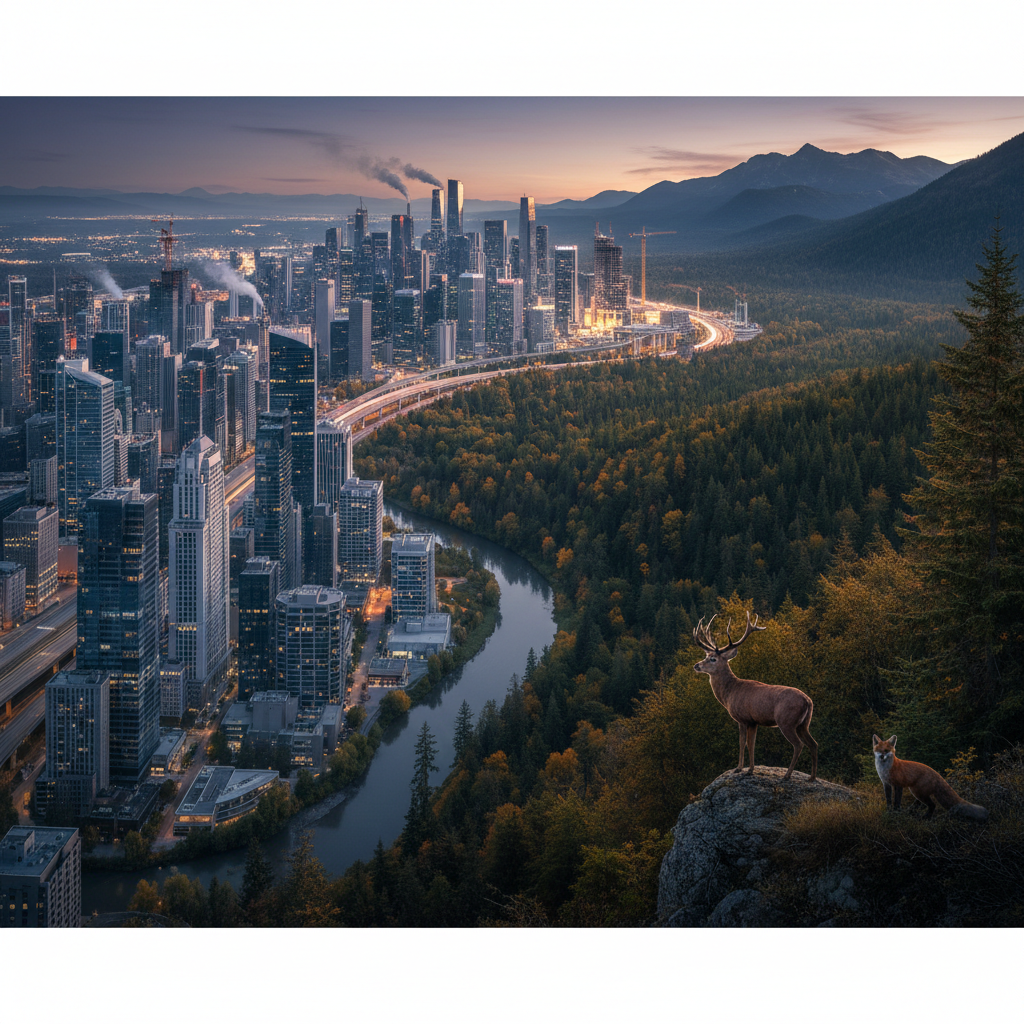
As an editor, I have reshaped the provided topic into a fresh, professional narrative that examines the intersection of urban growth and ecological integrity.
***
### The Concrete Creep: Assessing the Biological Cost of Expanding Cityscapes
As our metropolitan footprints stretch further into the horizon, the boundary between the built environment and the natural world is thinning. A recent deep dive into the effects of rapid urbanization has shed light on a critical tension: the struggle for wildlife to find a foothold in an increasingly paved world.
The research highlights that the transformation of wild acreage into residential and commercial hubs does more than just displace local fauna; it fundamentally alters the biological blueprint of the surrounding ecosystem. As forests and grasslands are replaced by high-rises and highways, the resulting habitat fragmentation creates "islands" of greenery that are often too small or too isolated to support diverse populations.
**Key Insights from the Study:**
* **The Biodiversity Bottleneck:** The study points to a sharp decline in species variety within rapidly developing corridors. While "generalist" species—those that can scavenge or adapt to human presence—may thrive, more specialized or sensitive species are frequently pushed toward local extinction. * **Behavioral Adaptation:** Interestingly, the data suggests that some wildlife are undergoing rapid behavioral shifts. From birds altering the pitch of their songs to compete with city noise, to mammals becoming more nocturnal to avoid human interaction, nature is attempting to recalibrate in real-time. * **The Connectivity Crisis:** One of the most pressing concerns identified is the loss of migratory paths. Infrastructure acts as a physical barrier, preventing the genetic exchange necessary for long-term species health.
The findings serve as a clarion call for developers and policymakers alike. Integrating "green corridors" and prioritizing urban biodiversity isn't just an ecological preference; it is a necessity for maintaining a resilient environment that can support both human and animal life. For the financial and developmental sectors, these insights underscore the growing importance of sustainable land use and the long-term value of preserving natural capital within our urban planning frameworks.
***
*Originally published by Australian Bankers Association*
Columnist
Australian Bankers Association