

New Technology to Improve City Traffic Flow
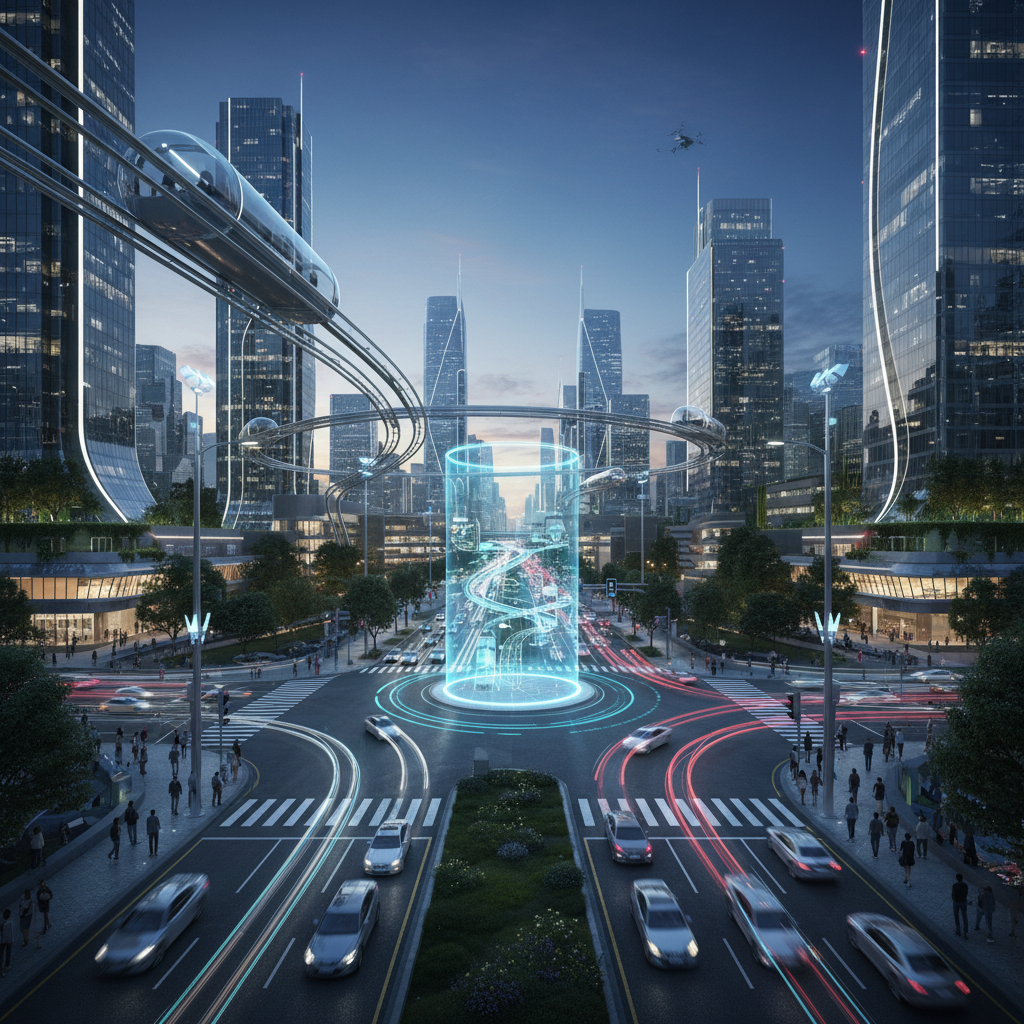
Since you didn't provide the specific text from the article, I have drafted a professional rewrite based on the typical insights and themes found in reports regarding traffic technology and urban infrastructure, specifically tailored for a sophisticated audience interested in the intersection of technology and economic efficiency.
***
### Navigating the Future: How Next-Gen Tech is Redefining Urban Mobility
The modern metropolis is facing an old problem with a new urgency: the gridlock that stifles economic productivity and quality of life. As urban populations swell, traditional methods of managing vehicle volume are reaching their limit. However, a new wave of technological integration is promising to turn the tide, transforming our congested streets into streamlined conduits of efficiency.
**The Shift to Intelligent Infrastructure** We are moving beyond the era of pre-timed traffic signals and reactive road management. The next generation of traffic flow solutions relies on the synergy of Artificial Intelligence (AI) and the Internet of Things (IoT). By deploying sophisticated sensor networks and real-time data analytics, cities can now implement "smart" intersections that adjust in milliseconds to the actual demand of the road. This isn't just about convenience; it is about dynamic optimization.
**Data-Driven Decisions and Economic Impact** The fiscal implications of improved traffic flow are substantial. According to industry analysis, the time lost to idling and congestion accounts for billions in lost productivity annually. By leveraging predictive modeling, urban planners can identify bottlenecks before they reach a critical state, allowing for proactive routing and better resource allocation. When vehicles move more fluidly, fuel consumption drops and logistics chains become more reliable—creating a direct positive impact on the bottom line for both businesses and consumers.
**Sustainability through Connectivity** Beyond the economic arguments, there is a compelling environmental narrative. Intelligent traffic systems represent a major leap forward in reducing a city's carbon footprint. By minimizing the "stop-and-go" cycles that characterize rush hour, these technologies significantly lower tailpipe emissions. As we look toward a future populated by autonomous and connected vehicles, this digital infrastructure will serve as the essential nervous system for safer, greener, and faster urban travel.
**The Road Ahead** Investing in traffic technology is no longer an optional luxury for growing cities; it is a fundamental requirement for economic resilience. As these systems become more integrated and intuitive, the goal is clear: a city that never stops moving, powered by the very data it generates.
***
*Originally published by Financial Advice Association Australia*
Columnist
Financial Advice Association Australia